
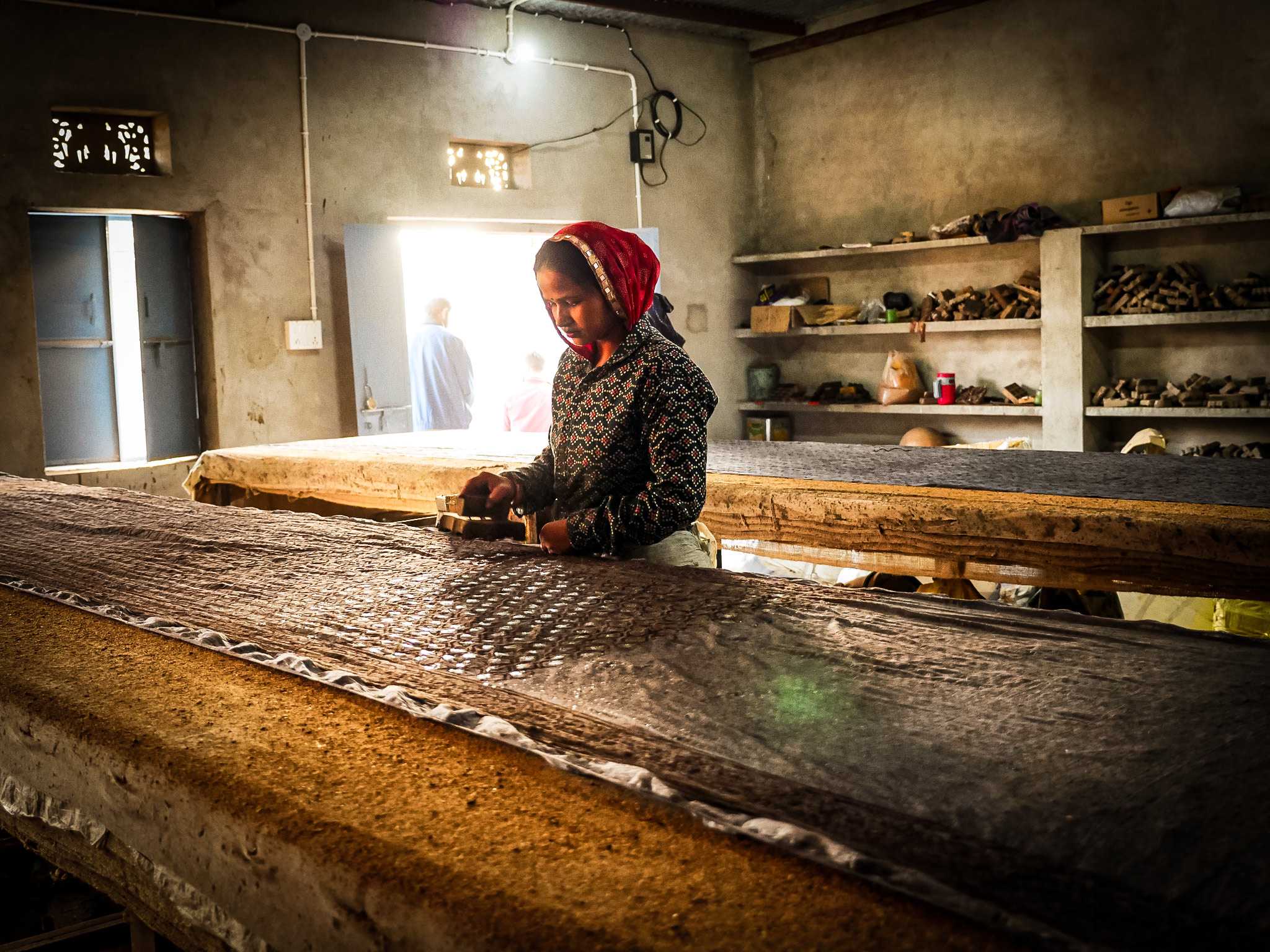
The Timeless Legacy: History and Evolution of Hand Block Printing in Jaipur
Hand block printing is more than just a craft—it's a living piece of history, weaving together artistry, culture, and tradition. In the heart of Rajasthan, particularly in Sanganer near Jaipur, this technique has evolved over centuries, transforming simple fabrics into vibrant masterpieces. As a home decor brand passionate about authentic Rajasthani textiles, we're excited to delve into the story behind the hand block printed pieces we offer. Join us on this journey through time, from ancient roots to modern revival.
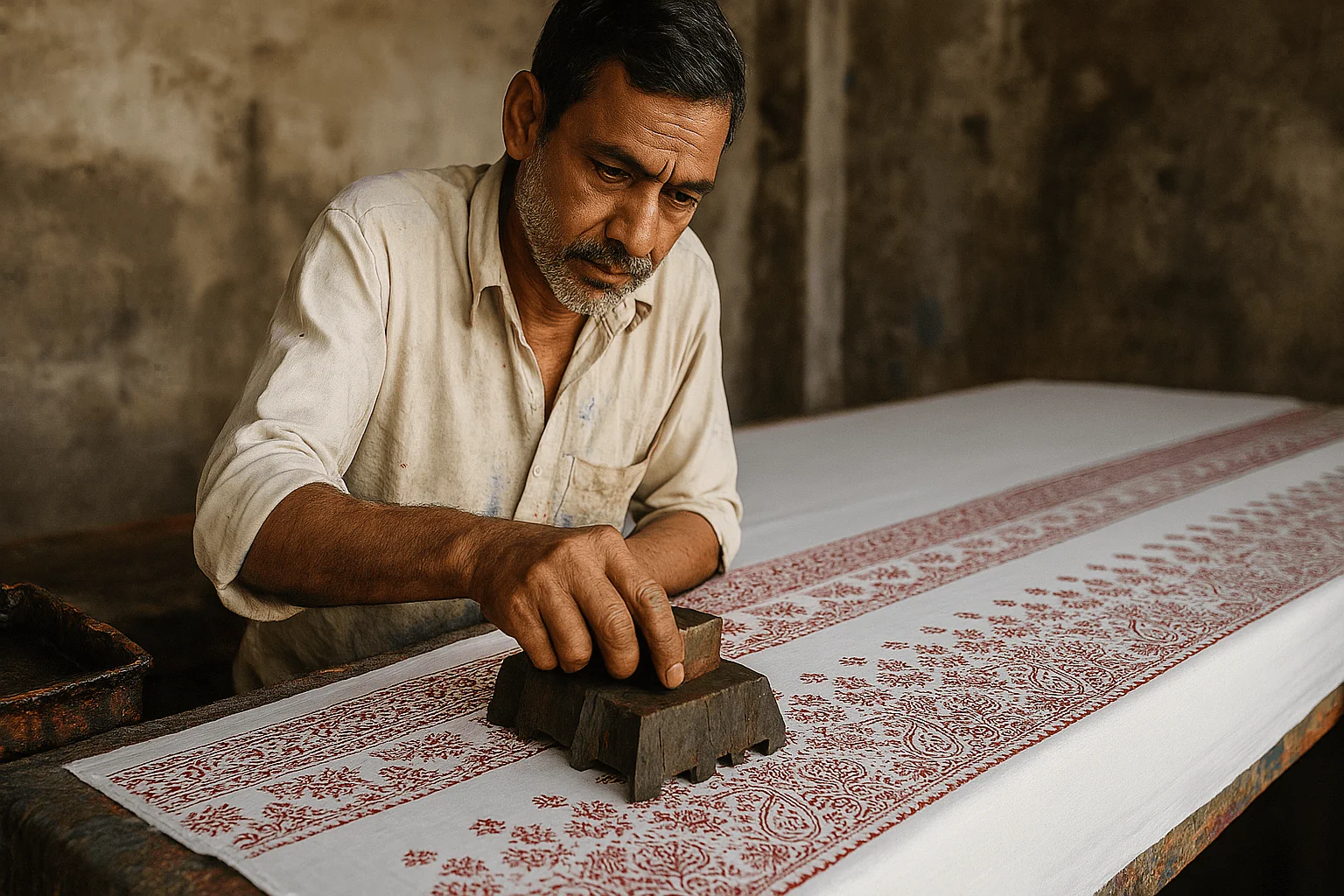
Hand block printing is an ancient textile art that began centuries ago, when craftsmen carved patterns onto wooden blocks and pressed them onto fabric. Each print carried its own charm, shaped by skill and tradition. Today, this enduring craft continues to honour the beauty, culture, and patience of handmade work.
Ancient Origins: The Birth of Block Printing
The art of printing designs onto fabric is believed to have originated in China around 4,500 years ago. However, it was on the Indian subcontinent where hand block printing truly flourished, becoming a cornerstone of textile traditions. Early evidence of block-printed fabrics in India dates back to ancient times, with fragments found in archaeological sites showcasing simple motifs inspired by nature and geometry.
In Rajasthan, the foundation was laid long before Jaipur's rise as a cultural hub. Sanganer, a quaint town on the outskirts of Jaipur, initially gained fame in the mid-1600s for its natural dyes and bleached cottons, setting the stage for what would become a renowned printing technique. The craft's evolution here was influenced by the region's abundant water sources, ideal for dyeing and washing fabrics, and its proximity to trade routes.
Arrival in Rajasthan: The 16th and 17th Centuries
The specific style of Sanganeri block printing emerged in the 16th and 17th centuries when skilled artisans migrated from Gujarat to Sanganer. These craftsmen brought with them techniques honed over generations, adapting them to local resources and aesthetics. Sanganer quickly became a center for this craft, known for its delicate floral patterns and use of natural dyes derived from plants like indigo, pomegranate, and turmeric.
During this period, the printing process involved carving intricate designs into wooden blocks—often made from teak or mango wood—and stamping them onto fabric in precise layers. This manual method required immense skill, as each color and motif demanded separate blocks, ensuring perfect alignment. The result? Fabrics that were not just functional but artistic, adorning royal courts and everyday homes alike.
Mughal Influence and the Golden Age
The heyday of hand block printing coincided with the Mughal Empire's reign from 1526 to 1857. Mughal emperors, with their love for opulent textiles, fueled a surge in demand, leading to an explosion of creativity in Sanganer. Indo-Persian motifs—featuring intricate florals, vines, and geometric patterns—influenced the designs, blending Indian traditions with Persian elegance.
Jaipur, founded in 1727 by Maharaja Sawai Jai Singh II, further amplified this craft. The city's vibrant culture and access to natural resources like the Dhund River made it a perfect ecosystem for artisans. Sanganeri prints gained international acclaim, exported to Europe and beyond, where they "wowed the world" with their colors and craftsmanship. This era marked the craft's peak, supporting entire communities and establishing Sanganer as a textile powerhouse.
Challenges and Decline: The Industrial Era
As the British colonial period progressed and industrialization took hold in the 19th and 20th centuries, hand block printing faced significant challenges. Machine-made textiles flooded the market, offering cheaper alternatives and leading to a decline in traditional methods. Many artisans abandoned the craft, and Sanganer's once-thriving workshops dwindled.
Environmental factors, like water scarcity and the shift to synthetic dyes, further strained the industry. By the mid-20th century, what was once a royal art form risked fading into obscurity.
Challenges and Decline: The Industrial Era
As the British colonial period progressed and industrialization took hold in the 19th and 20th centuries, hand block printing faced significant challenges. Machine-made textiles flooded the market, offering cheaper alternatives and leading to a decline in traditional methods. Many artisans abandoned the craft, and Sanganer's once-thriving workshops dwindled.
Environmental factors, like water scarcity and the shift to synthetic dyes, further strained the industry. By the mid-20th century, what was once a royal art form risked fading into obscurity.
Bringing Jaipur's Heritage Home
From ancient stamps to modern masterpieces, the history of hand block printing in Jaipur is a testament to resilience and creativity. At our Udaipur-based brand, we celebrate this legacy by curating pieces that carry the soul of Sanganer into your spaces. Whether you're draping a printed throw or setting a table with vibrant linens, you're part of this evolving story.
Explore our collection and experience the magic of Jaipur's hand block prints. Have you incorporated traditional textiles into your home? Share in the comments below!